
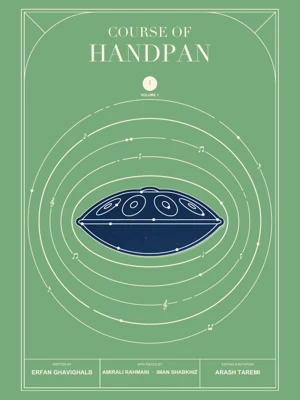
LEVELS 1–5
Course of Handpan · Book 1
The reference book for the first five levels of PlayPan.
View on Amazon (opens in a new tab)

Choose a PlayPan plan to watch this video.
View Plans
The reference book for the first five levels of PlayPan.
View on Amazon (opens in a new tab)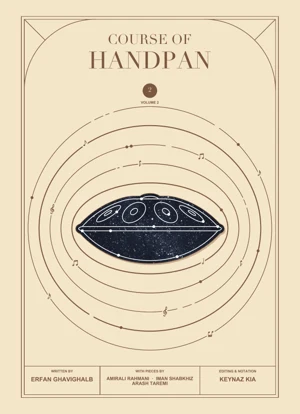
The reference book for the next five levels of PlayPan.
View on Amazon (opens in a new tab)Lesson description and learning notes
In this session, we explore the essential concept of dynamics in handpan playing, which allows performers to control the volume and intensity of their music while expressing a wide range of emotions. Dynamics in handpan playing are critical for enhancing the musicality, depth, and emotional impact of your performance. Understanding and applying these dynamic techniques can elevate both practice sessions and live performances. Below, we break down the most important dynamics used in handpan playing:
Fortississimo (fff)
Fortississimo represents the highest intensity and volume. The player must strike the notes with maximum power and energy. On the handpan, this involves applying stronger pressure and force to produce a bold, resonant sound that stands out.
Fortissimo (ff)
Fortissimo indicates a loud volume, slightly less intense than fortississimo. It allows the performer to emphasize certain sections of a piece without applying extreme force. This dynamic is perfect for passages requiring prominence and emphasis.
Forte (f)
Forte is a strong, loud dynamic, commonly used in sections that need energy and impact. On the handpan, forte passages help create tension, rhythmical drive, and expressive melodic emphasis.
Mezzo Forte (mf)
Mezzo Forte represents a moderately strong volume, balanced between loud and soft. This dynamic is often used in pieces requiring power but still maintaining control and finesse.
Mezzo Piano (mp)
Mezzo Piano refers to a moderate-soft volume. The player strikes the notes gently, achieving a softer tone. This dynamic adds subtlety and refinement to performances.
Piano (p)
Piano means soft and is played delicately with careful touch. It is commonly used in emotional or calm sections of a handpan piece, producing a gentle and warm sound.
Pianissimo (pp)
Pianissimo indicates a very soft volume, requiring great sensitivity and control. This dynamic is ideal for creating serene, delicate, and intimate atmospheres.
Pianississimo (ppp)
Pianississimo represents the softest possible sound. The performer must use minimal force and maximum precision. It is especially useful for creating extremely quiet, tender, and nuanced sections.
Crescendo (<)
Crescendo is a gradual increase in volume from soft to loud. On the handpan, this can be achieved by gradually increasing hand pressure and force. Crescendo is effective for building intensity, excitement, and momentum in a piece.
Decrescendo (>)
Decrescendo refers to a gradual decrease in volume from loud to soft. This dynamic can be executed by easing hand pressure or striking more lightly. Decrescendo is ideal for calm conclusions or for creating gentle, flowing musical passages.
Sforzando (sfz)
Sforzando is a sudden, forceful accent on a specific note or beat. In handpan playing, it emphasizes a moment in the piece with dramatic intensity. By striking a focused area with greater power, the player adds emphasis and expressive contrast
Why Handpan Dynamics Matter
Mastering dynamics allows handpan players to create a wide range of sounds and emotional effects. By using proper dynamics and subtle changes in volume, performers can convey different moods, colors, and expressions. Effective application of dynamics enhances musical storytelling, making your performances more engaging, expressive, and technically sophisticated
 1. Course Introduction
Free
Completed
1. Course Introduction
Free
Completed
 2. Scale Introduction for Training and Playing Pieces
Free
Completed
2. Scale Introduction for Training and Playing Pieces
Free
Completed
 3. Proper handpan placement for practice
Plan required
Completed
3. Proper handpan placement for practice
Plan required
Completed
 4. Handpan Symbols
Plan required
Completed
4. Handpan Symbols
Plan required
Completed
 5. Learning Dynamics on the Handpan
Now playing
Plan required
Completed
5. Learning Dynamics on the Handpan
Now playing
Plan required
Completed
 6. Learning and Performance of Lessons 28 & 29 and Piece No. 7 (Samba Piece on Handpan)
Plan required
Completed
6. Learning and Performance of Lessons 28 & 29 and Piece No. 7 (Samba Piece on Handpan)
Plan required
Completed
 7. Learning and Performance of Lessons 30 to 37 (Heel and Tip Technique)
Plan required
Completed
7. Learning and Performance of Lessons 30 to 37 (Heel and Tip Technique)
Plan required
Completed
 8. Learning and Performance of Lesson 38 and Piece No. 8 (Handpan Advanced Rhythms)
Plan required
Completed
8. Learning and Performance of Lesson 38 and Piece No. 8 (Handpan Advanced Rhythms)
Plan required
Completed
 9. Learning and Performance of Lesson 39 and Piece No 9
Plan required
Completed
9. Learning and Performance of Lesson 39 and Piece No 9
Plan required
Completed
 10. Learning and Performance of Lessons 40 to 46
Plan required
Completed
10. Learning and Performance of Lessons 40 to 46
Plan required
Completed
 11. Lesson and Performance of Piece No. 10
Plan required
Completed
11. Lesson and Performance of Piece No. 10
Plan required
Completed
 12. Learning and Performance of Lesson 47
Plan required
Completed
12. Learning and Performance of Lesson 47
Plan required
Completed
 13. Learning and Performance of Lessons 48–53
Plan required
Completed
13. Learning and Performance of Lessons 48–53
Plan required
Completed
 14. Learning and Performance of Lesson 54 & Piece 11
Plan required
Completed
14. Learning and Performance of Lesson 54 & Piece 11
Plan required
Completed
 15. Learning and Performance of Lessons 55–58 – Basnawa Rhythm on Handpan
Plan required
Completed
15. Learning and Performance of Lessons 55–58 – Basnawa Rhythm on Handpan
Plan required
Completed
Comments