
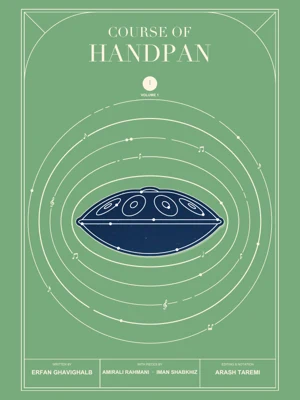
LEVELS 1–5
Course of Handpan · Book 1
The reference book for the first five levels of PlayPan.
View on Amazon (opens in a new tab)

Choose a PlayPan plan to watch this video.
View PlansPlay backing tracks here, download them, or open the original file in a new tab.
The reference book for the first five levels of PlayPan.
View on Amazon (opens in a new tab)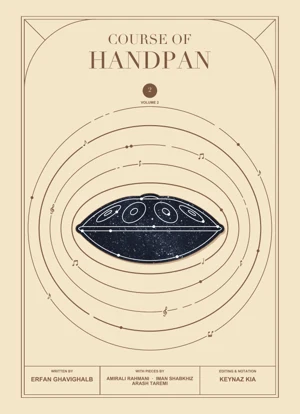
The reference book for the next five levels of PlayPan.
View on Amazon (opens in a new tab)Lesson description and learning notes
In advanced handpan playing, diversity in rhythmic patterns, melodic variations, and subtle transitions adds remarkable depth and beauty to a performance. These qualities allow the player to bring fresh movement and expression to every section of a composition while preserving the main structure of the piece. By carefully studying the form and arrangement of melodies within a handpan composition, musicians gain the ability to execute advanced techniques with both precision and artistry.
Rhythmic Pattern Training
Begin with simple rhythmic exercises at a slow tempo. Once accuracy and stability are achieved, gradually increase speed. This progression not only develops technical control but also ensures that rhythms flow naturally and become embedded in muscle memory.
Focusing on Variations
Explore and repeat melodic variations within the piece. By doing so, you’ll deepen your understanding of melodic development, enhance your interpretative skills, and learn to express different emotional colors while maintaining consistency in rhythm and timing.
Analyzing Musical Form
Pay close attention to the overall structure of the composition. Studying how melodies are placed, repeated, or altered provides valuable insights into phrasing and flow. Understanding form allows you to anticipate transitions, shape your dynamics, and bring a sense of direction and storytelling into your performance.
Practicing advanced handpan techniques with this approach leads to greater fluency, expressive depth, and technical mastery. By dedicating time to rhythmic accuracy, dynamic control, and melodic creativity, you can elevate your playing to a professional level. These strategies not only prepare you for complex compositions but also help you develop your unique voice as a handpan musician
 1. Course Introduction
Free
Completed
 2. Scale Introduction for Training and Playing Pieces
Free
Completed
 3. Proper handpan placement for practice
Plan required
Completed
 4. Handpan Symbols
Plan required
Completed
 5. Learning Dynamics on the Handpan
Plan required
Completed
 6. Learning and Performing Piece No 27
Plan required
Completed
 7. Learning and Performing Piece No 28 (Rotation)
Plan required
Completed
 8. Learning and Performing Piece No 29
Now playing
Plan required
Completed
 9. Learning and Performing Lessons 107–109 and Piece No 30
Plan required
Completed
 10. Learning and Performing Lessons 110–113 and Piece No 31
Plan required
Completed
 11. Learning and Performing Piece No 32
Plan required
Completed
 12. Learning and Performing Lesson 114 and Piece 33 (7/8 Rhythm on Handpan)
Plan required
Completed
 13. Learning and Performing Lessons 115–117 and Piece 34 (Reflection)
Plan required
Completed
 14. Learning and Performing Piece No 35 (Levitating by Dua Lipa) on Handpan
Plan required
Completed
 15. Learning and Performing Lesson 118 and Piece No 36 (Shining)
Plan required
Completed
 16. Learning and Performing Lessons 119–121 and Piece No 37
Plan required
Completed
 17. Learning and Performing Lesson 122 and Piece No 38 (Awakening)
Plan required
Completed
Comments