
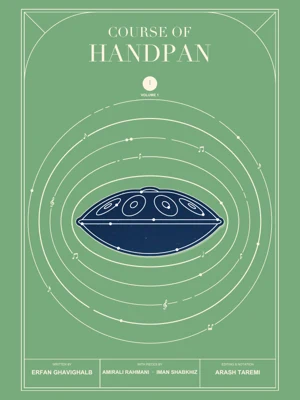
LEVELS 1–5
Course of Handpan · Book 1
The reference book for the first five levels of PlayPan.
View on Amazon (opens in a new tab)

Choose a PlayPan plan to watch this video.
View PlansPlay backing tracks here, download them, or open the original file in a new tab.
The reference book for the first five levels of PlayPan.
View on Amazon (opens in a new tab)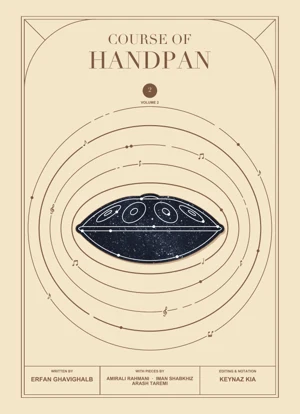
The reference book for the next five levels of PlayPan.
View on Amazon (opens in a new tab)Lesson description and learning notes
In this session, we focus on one of the most authentic and recognizable rhythms in Persian music—the Heavy 6/8 rhythm. This rhythm is defined by its strong accents and steady structure, creating a grounded, meditative feel that is ideal for slower and more reflective handpan pieces.
Heavy 6/8 Rhythm: Inspired by Persian traditional and folkloric music, this rhythm places its emphasis on the second and fifth beats, adding depth and power to the performance.
Rhythmic Pattern Structure: The piece begins with a simple rhythmic pattern that gradually becomes richer as melody and handpan techniques are introduced.
Integration with Melody: Rhythm and melody progress in harmony, requiring full hand coordination to maintain both accuracy and flow.
Rhythmic Pattern Only: Start by practicing just the rhythm without melody. Focus on clarity and accuracy of each beat.
Adding the Melody: Once the rhythm feels natural, gradually layer in the melody while maintaining hand coordination.
Gradual Speed Training: Begin slowly and increase speed step by step until you reach the original tempo of the piece.
Practicing Passages: Pay special attention to passages (fills) by ensuring every note is clear and well-articulated.
Control both speed and dynamics carefully to preserve the depth and heaviness of the 6/8 groove.
Take a few deep breaths before starting to relax both mind and body for better flow.
Break the piece into smaller sections and master each part individually before combining them.
This piece offers an excellent opportunity to strengthen rhythmic skills, improve hand coordination, and add one of the most important Persian grooves to your handpan repertoire
 1. Course Introduction
Free
Completed
 2. Scale Introduction for Training and Playing Pieces
Free
Completed
 3. Proper handpan placement for practice
Plan required
Completed
 4. Handpan Symbols
Plan required
Completed
 5. Learning Dynamics on the Handpan
Plan required
Completed
 6. Learning and Performance of Lessons 59–61 & Piece No 12 (Persian 6/8 Rhythm on Handpan)
Now playing
Plan required
Completed
 7. Learning and Performance of Lessons 62–74 (Handpan Roll Technique)
Plan required
Completed
 8. Learning and Performance of Piece No 13
Plan required
Completed
 9. Learning and Performance of Piece No 14
Plan required
Completed
 10. Learning and Performance of Lessons 75 to 77 & Piece No 15
Plan required
Completed
 11. Learning and Performance of Lesson 78 & Piece No 16
Plan required
Completed
 12. Learning and Performance of Lessons 79–83
Plan required
Completed
 13. Learning and Performance of Piece No 17 (8118)
Plan required
Completed
Comments